
White-Label Web Development for Agencies: How the Partnership Works

White-Label Web Development for Agencies: How the Partnership Works

White-label web development for agencies is a delivery model where an external development partner builds websites behind the scenes while your agency keeps the client relationship, branding, pricing and communication. It gives you extra delivery capacity without hiring a permanent in-house team or turning good projects away.

White-label web development partnership for agencies

What white-label web development actually means

In a white-label partnership, your agency remains the main point of contact for the client.

You manage the relationship, strategy, pricing and communication. The development partner works behind the scenes to build, test and prepare the website for launch.

The client does not need to coordinate with multiple companies, and your agency can continue offering website development as part of its own service.

This is different from referring a client to another developer because the project still remains under your agency.

Why agencies use white-label development

The main reason is flexibility.

Agency workloads are rarely consistent. You may have one website project this month and four the next.

Hiring permanent developers for occasional increases in workload can create unnecessary overhead. At the same time, turning away good projects because your internal team is full limits growth.

A reliable white-label partner gives your agency additional development capacity when it is needed.

It can also help agencies that specialize in branding, design, marketing or SEO offer website development without building an entire technical team internally.

How the partnership normally works

The process should be straightforward.

Your agency first provides the project scope, designs, functionality requirements and expected timeline.

The development partner reviews the requirements and identifies any technical questions before development begins.

Once everything is agreed, the website is built in a staging environment. Your agency reviews the work before it reaches the client, and any necessary revisions are completed.

After final testing and approval, the website is prepared for launch.

Depending on the relationship, the development partner may also provide ongoing maintenance, fixes or technical support after launch.

What your agency keeps control of

A proper white-label relationship should not reduce your control over the project.

Your agency should normally remain responsible for:

  • the client relationship
  • your pricing and margins
  • branding
  • project communication
  • strategic decisions
  • final approvals
  • overall client experience

The development partner should respect those boundaries and operate as an extension of your team rather than trying to build a direct relationship with your client.

For this reason, agencies should agree on confidentiality and client-contact rules before starting work together.

White-label development vs hiring internally

Neither option is automatically better.

Hiring an in-house developer can make sense when your agency has enough consistent work to keep that person busy throughout the year.

White-label development makes more sense when workload changes frequently or when you want access to additional skills without immediately increasing permanent staffing costs.

Many agencies eventually use both approaches.

They maintain a small internal team while using a trusted development partner when additional capacity is required.

A practical way to start

You do not need to hand a new development partner your largest client immediately.

Start with a smaller project and evaluate how they handle communication, quality, deadlines and feedback.

If the process works well, you can gradually increase the amount of work you send them.

The purpose of white-label development is ultimately simple: help your agency deliver more website projects without losing control of your brand or client relationships.

If your agency needs additional website development capacity without expanding its internal team, the Graphich Agency Partner Program provides white-label website delivery and technical support behind your agency’s brand.

Releted resources

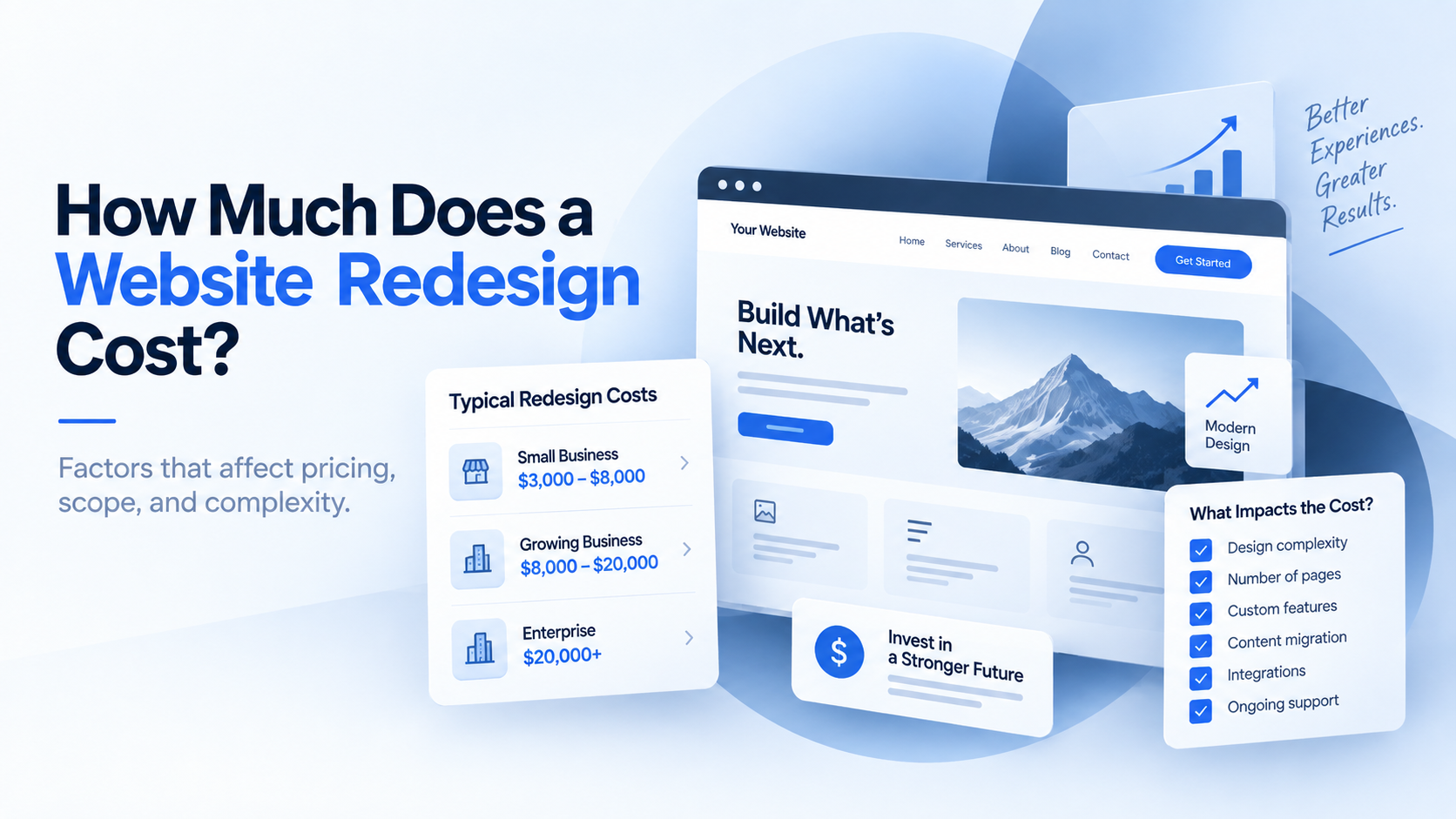
Website redesign cost breakdown showing design, development, content and technical factors

How Much Does a Website Redesign Cost?

When a website is slow, outdated, difficult to manage or no longer generating enough enquiries, the first question is usually simple: Should you fix the existing website, or rebuild it properly? There is no single answer for every business. Sometimes a focused repair is enough. In other cases, continuing to patch the same website only delays an inevitable rebuild. The right decision depends on how much of the current website is still worth keeping.
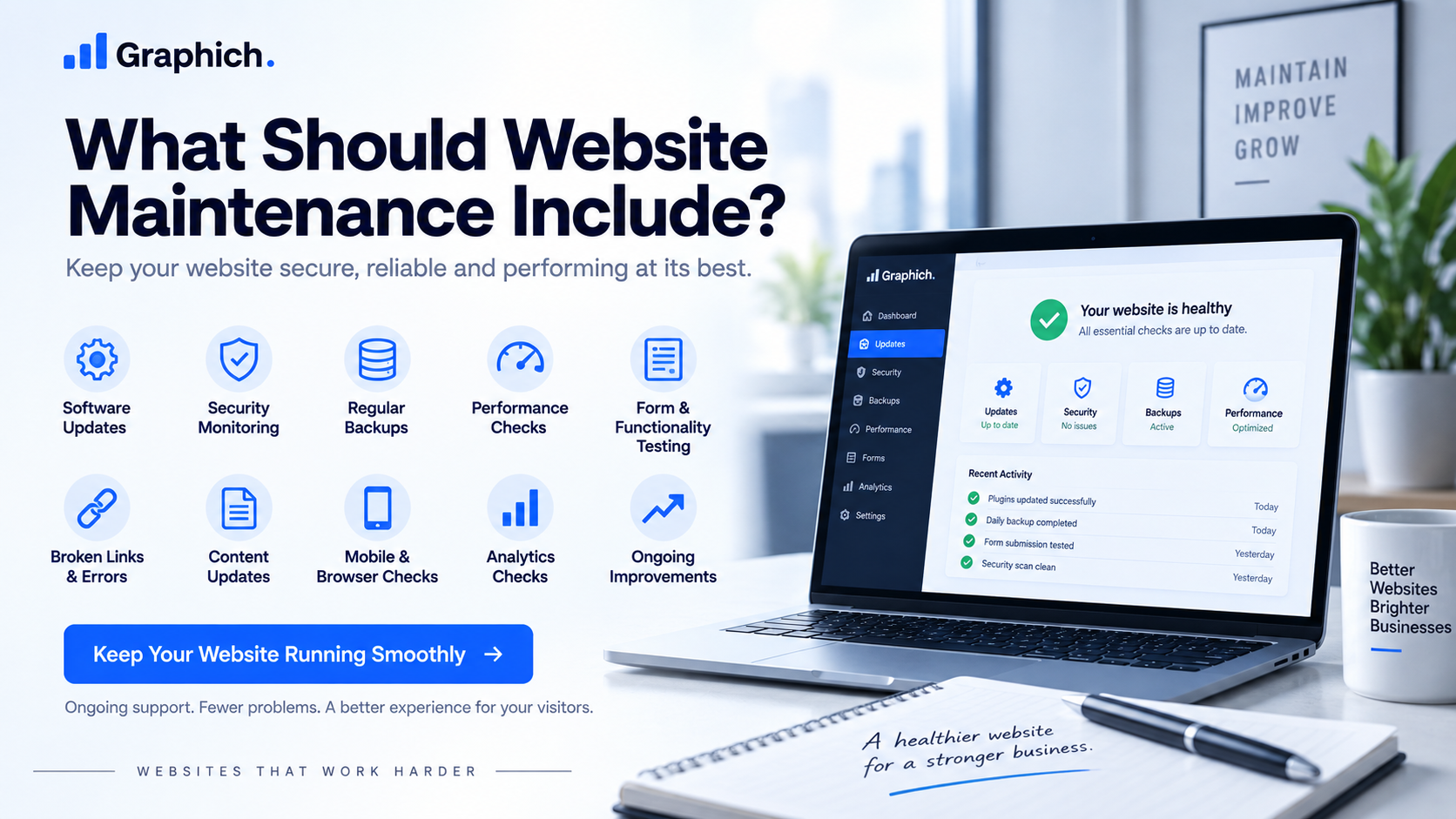
Website maintenance checklist covering updates, security, backups, performance and ongoing improvements

What Should Website Maintenance Include?

When a website is slow, outdated, difficult to manage or no longer generating enough enquiries, the first question is usually simple: Should you fix the existing website, or rebuild it properly? There is no single answer for every business. Sometimes a focused repair is enough. In other cases, continuing to patch the same website only delays an inevitable rebuild. The right decision depends on how much of the current website is still worth keeping.
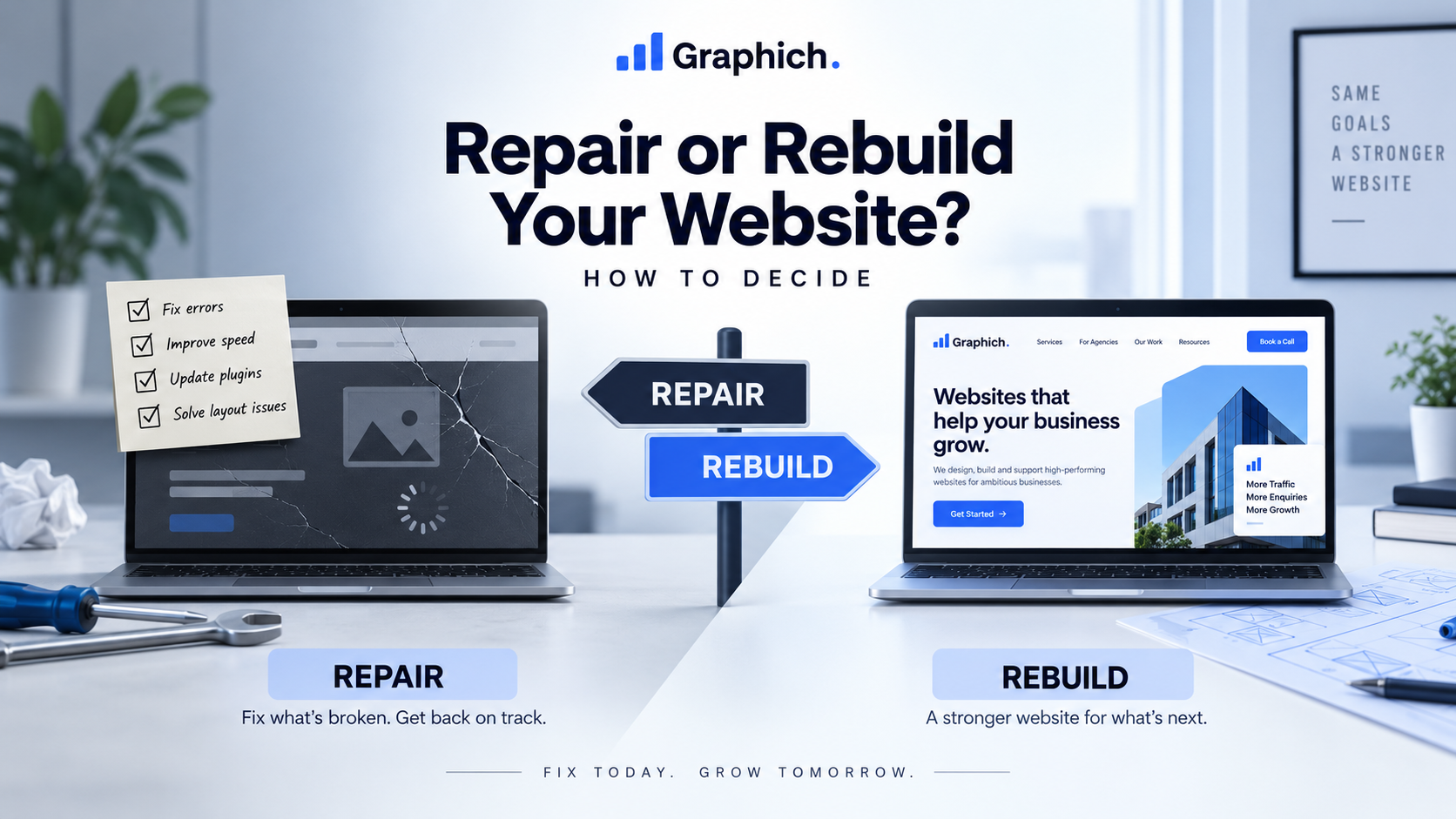
Repair or rebuild website comparison showing website fixes and a full redesign option

Repair or Rebuild Your Website? How to Decide

When a website is slow, outdated, difficult to manage or no longer generating enough enquiries, the first question is usually simple: Should you fix the existing website, or rebuild it properly? There is no single answer for every business. Sometimes a focused repair is enough. In other cases, continuing to patch the same website only delays an inevitable rebuild. The right decision depends on how much of the current website is still worth keeping.